Dale Neill

‘If you’re short on talent, make up for it with tenacity.’
Born Anzac Day 1944 Dale Neill (1961) spent his formative years at St Brigid’s in West Perth and Our Lady of Victories in Cambridge Street, Wembley and, on 7 February 1954, he was among the founding cohort of St Joseph’s Marist Brothers in Salvado Road, Subiaco.
At 13 Dale had a brief but serious flirtation with the notion of becoming a Marist Brother. An even briefer flirtation with a Brigidine Convent girl in the back row of the Piccadilly Theatre put paid to that idea!
Dale’s favourite subject at St Joseph’s was Physics with Br Ernest, particularly the study of light and lenses and, in the 1959-1960 holidays, Dale started a serious ‘summer romance’ with photography. While Dale’s mates were swimming and surfing, Dale sweated and sweltered, spray painting caravanettes for seven weeks at £3-10-00 ($7 today) a week. With his hard-earned pay he bought a Hanimex C35 rangefinder camera for £24, and started shooting on film. Incredibly, he still has all those negatives today.
After leaving school Dale went for a job as cadet photographer with The West Australian, but the jobs were eliminated due to budget cuts, so he and everybody else who’d applied missed out.
After two years studying at Graylands Teachers’ College Dale was posted to remote Aboriginal communities in the Kimberley, starting in Halls Creek.
It was there in August 1964, in Australia’s most remote area, in the desert halfway between Halls Creek and Alice Springs, Dale used up one of his nine lives. He set off with three other young male teachers from Balgo Mission. On their return from Alice Springs across the Tanami and Great Sandy Deserts, their Holden EJ station wagon bogged and jammed in second gear, 60 miles east of the Northern Territory border. Three inches of unseasonal rain then caused a lake to rise, for as far as the eye could see, around their car.
Dale and his three teaching mates knew this was it. There was no panic; just no way out. Resigned, they stayed with the car and wrote last letters home to their mums. Three days later a geo-survey group in 4WDs happened to pass by. With one seat spare, they left food for the others and took Dale with them to Balgo to raise the alarm.
Back in Perth Dale read the ad for a lecturer in Photography at TAFE. A panel of five professional photographers grilled him unmercifully for 20 minutes before the chairperson summed up the interview, saying
‘Mr Neill, you shouldn’t be lecturing this course, you should be doing it’.
So, Dale enrolled in the TAFE photography course. He flourished, achieving straight ‘A’s. Two years later Dale applied for the lecturing job again, and got it. He had found his niche. He taught photography, trained new TAFE teachers, set up TAFE’s first TV station and Audio-Conferencing Centre, and progressed to be an Associate Director. He never regarded it as work for it was fun. He had fun every day.
Then, at 53, Dale was redundant because he was ‘too old’.
After a brief emotional wave receded, he took stock, and set up three small businesses. FACEZ studio in East Fremantle, teaching at UWA, and WILDHEART Tours. He estimates it cost him in income, but rewarded him in quality of life by 200%.
Twice or three times a year for the next 20 years, Dale led photography tours around the world.
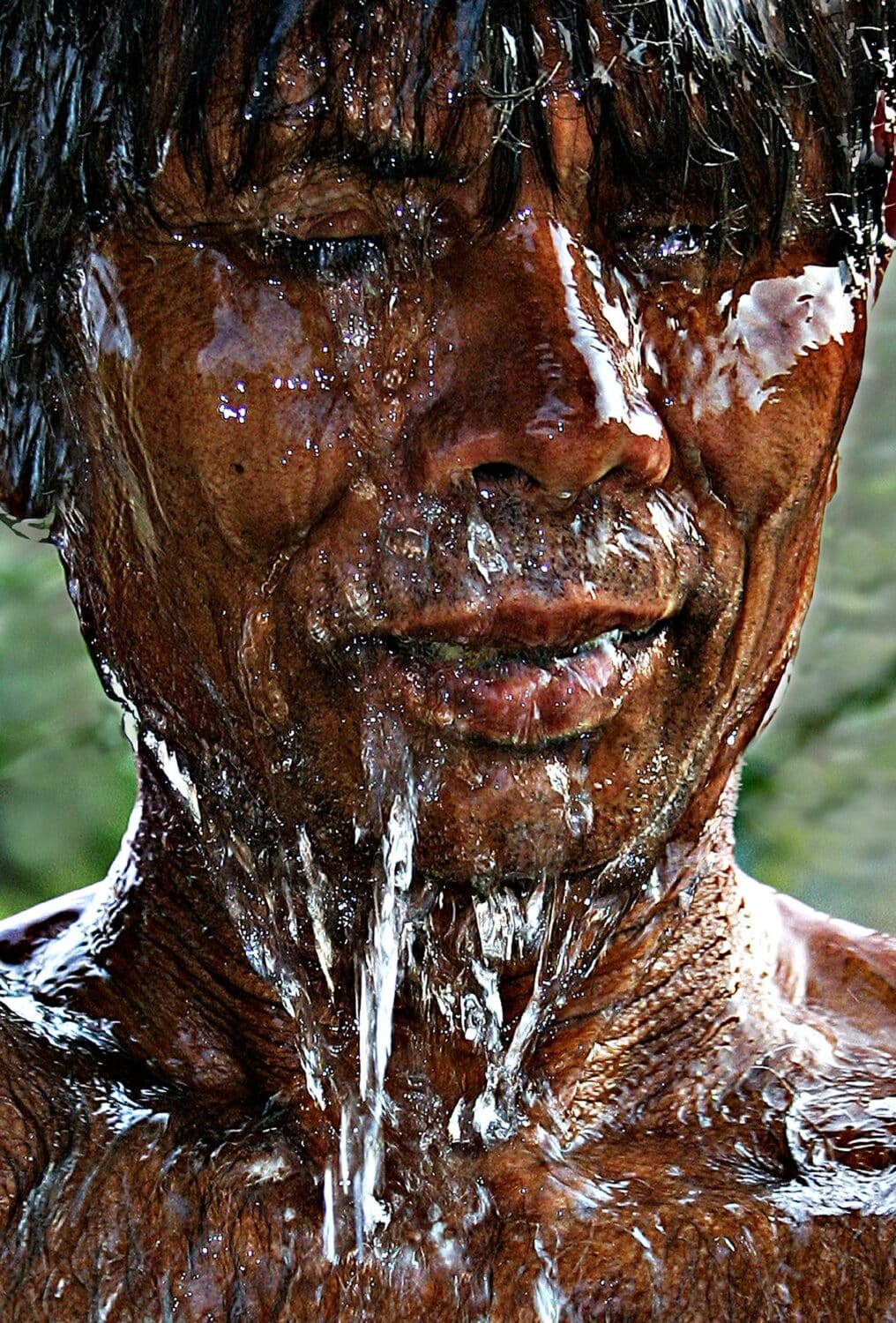
On 26 December 2004, an undersea earthquake with a magnitude of 9.1 struck off the coast of Indonesia. A few days later Dale joined a group of seven Perth volunteers to rescue newly-orphaned children on the east coast of India, where 15,000 lives had been lost.
Dale’s job was to photograph the rescue of orphans from four villages and their relocation to Hebron orphanage. It was the early days of digital photography, and Dale dutifully burnt all images to CD. On return to Australia he felt utterly sick when he discovered he had a faulty batch of CDs and no images. He called his videographer who also backed up, and saved the cause. Those images, and the video, raised enough money to buy new land on which to build a new orphanage. Dale’s images also won him the WA Professional Photographer of the Year Award in 2005.
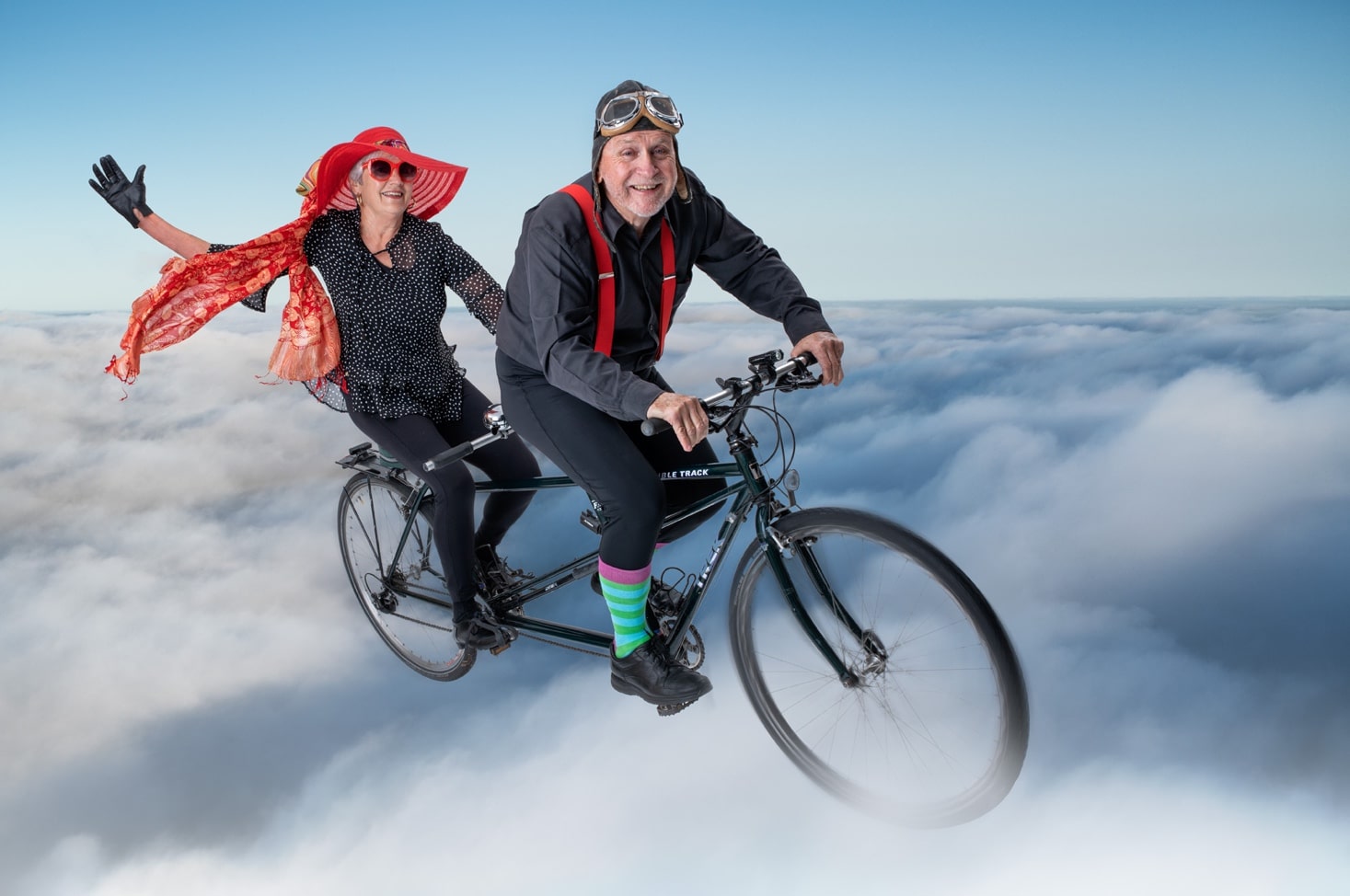
Dale’s next best love was cycling. He cycled anywhere and everywhere, raced professionally for ten years and toured for 40, much of it on a tandem with his wife Margaret. They’ve pedalled through France, Germany, the British Isles and Indonesia, as well as numerous trips through Kalgoorlie and Tasmania. He loved cycling so much that, in 1974, he co-founded the Cycle Touring Association of WA which is still active today.
Another love is flying and, in 1992, he qualified as a private pilot. Besides local ‘overseas’ flights to Rottnest, he flew up the Murrumbidgee in the ACT and down the Rhone in France.
Of the hundreds of thousands of images Dale has taken over the years (including around 60 wonderful images of his friends, classmates, events and buildings from his time at St Joseph’s and beyond, which he kindly donated to our Archives in 2021) is ‘The Wounded Princess’, one of his favourites, of a troubled, young Fremantle girl, whose life changed dramatically for the better after Dale took her portrait. The band The Zimmer’s Apprentices wrote a song of the same name in 2021 (available on Spotify and YouTube).
As Dale reflects on his life, he realises success is not measured by traditional metrics like money or fame, but by the joy he feels every single day. Part of that joy is in coming along to our annual Year 12 Career Breakfasts where he inspires our youngest, soon-to-be alumni with his amazing accomplishments and his life’s motto:
“If you’re not having fun, you’re not doing it right.”
To that end Dale, who turned 80 this year, and his wife Margaret took a trip up to the Kimberley in May. They went by bus up to Broome, glamped at Cygnet Bay, sailed through the Buccaneer Archipelago, and visited the Horizontal Falls, enjoying “the most exciting two weeks an 80 year old can have!”